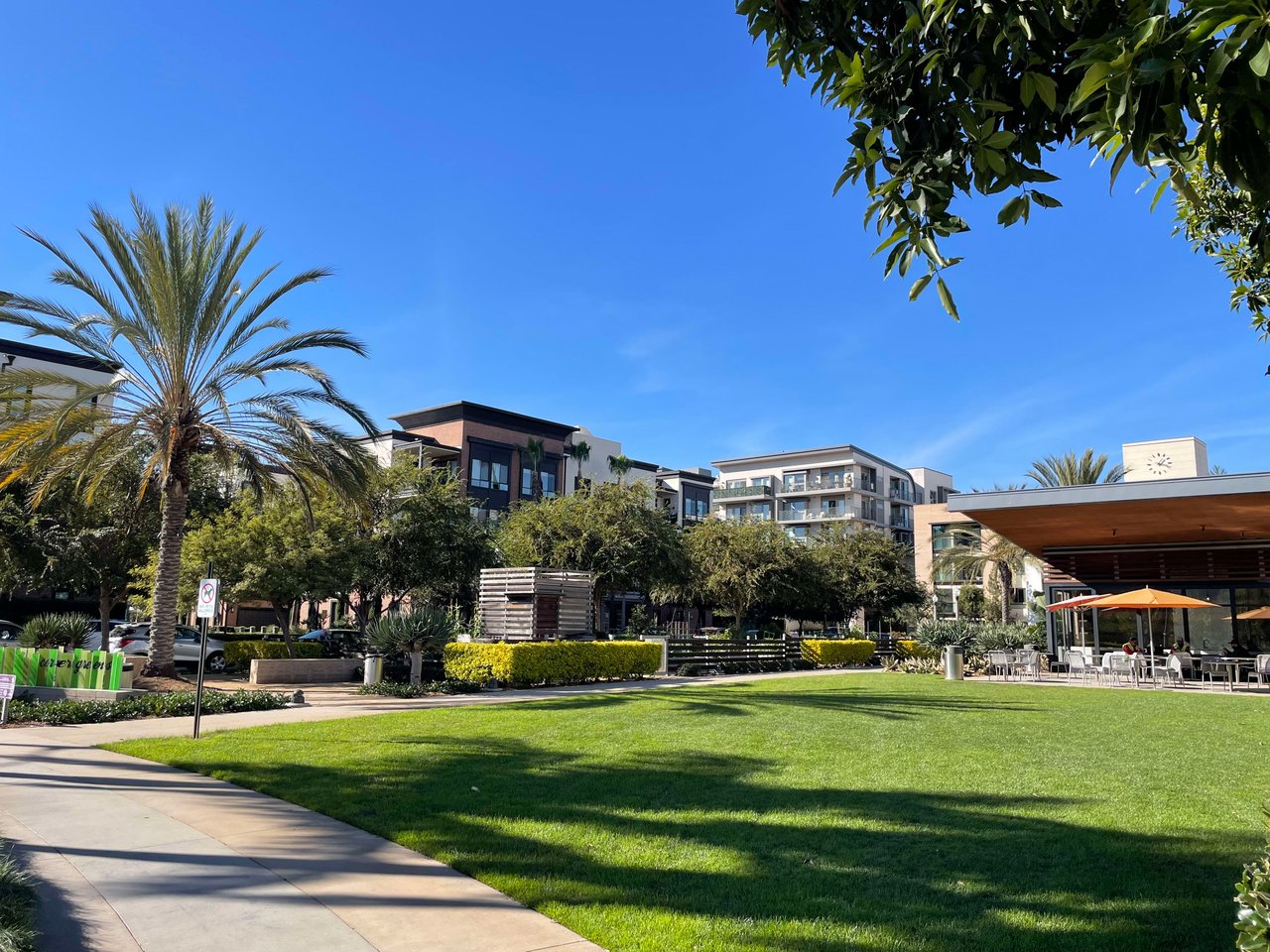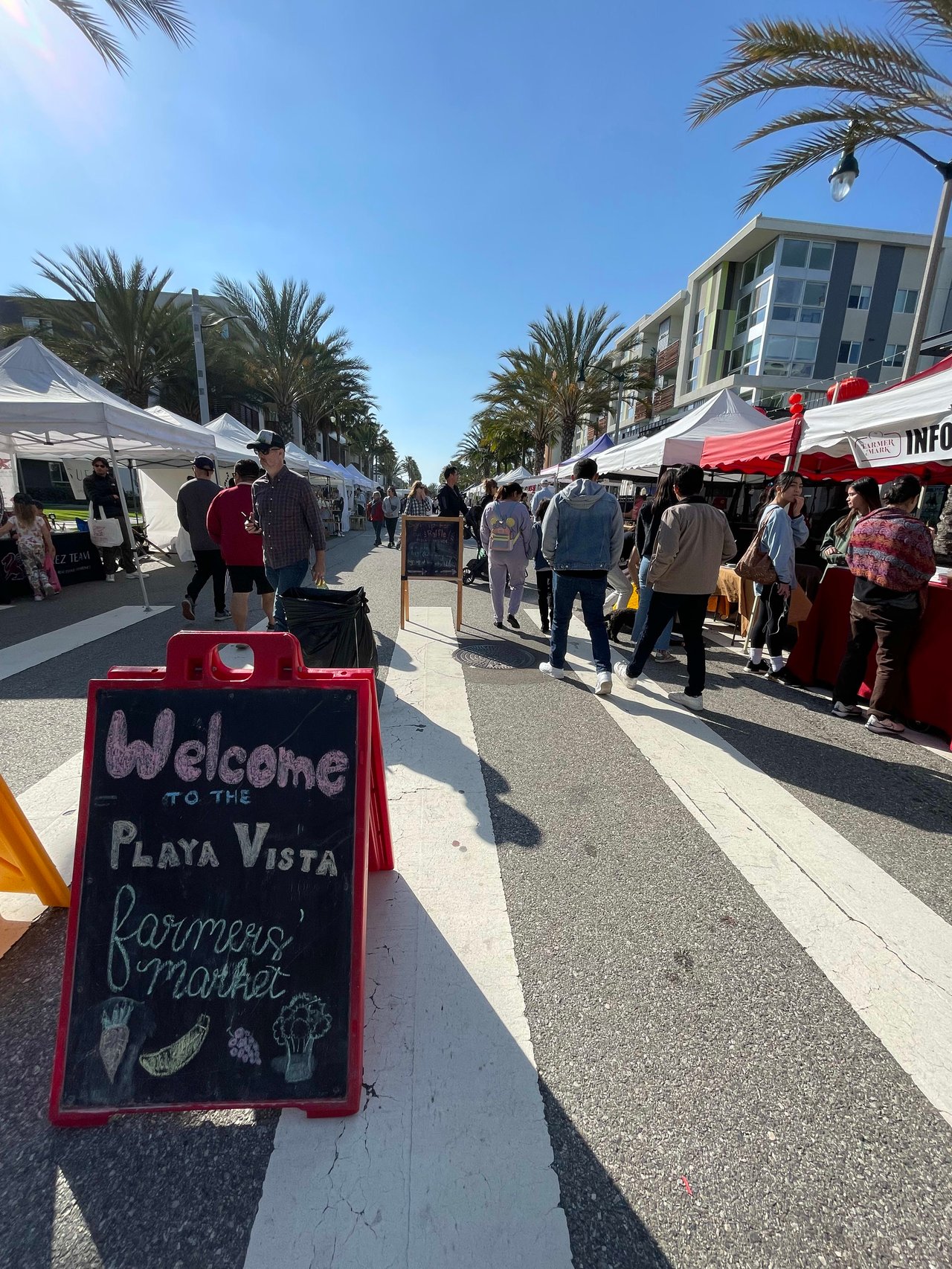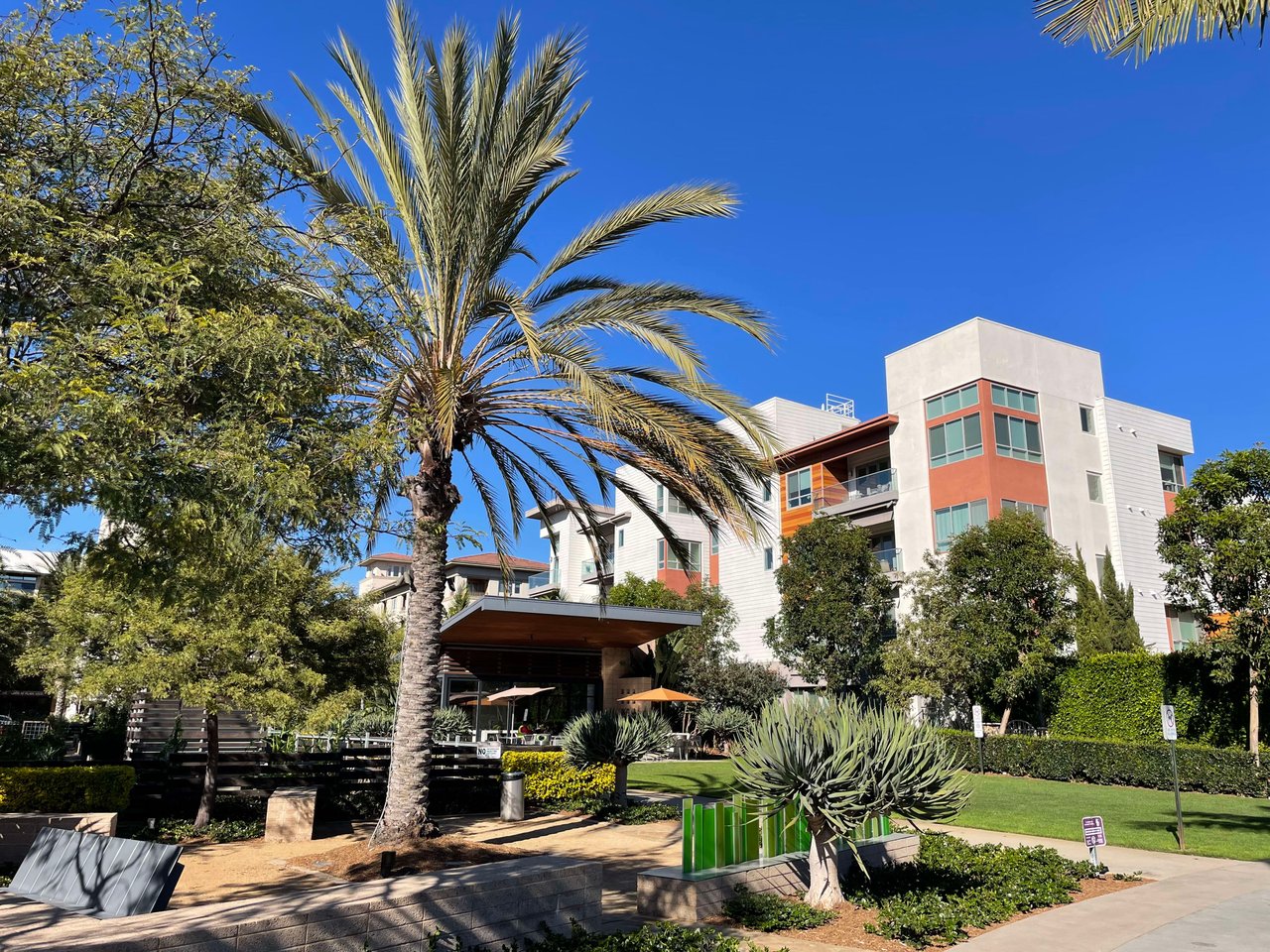
If you’ve been researching neighborhoods on the Westside, Playa Vista has probably come up. It’s walkable, modern, close to the beach, and has a community feel that’s hard to find in other parts of LA. I’ve already written a full neighborhood guide on my site covering the history, the restaurants, the parks, and the lifestyle. This is the more the practical, need-to-know information for buyers that doesn’t always show up in the neighborhood overviews.
The Price Landscape
As of early 2026, the median home price in Playa Vista sits around $1.28 million, with a median value of roughly $830 per square foot. Condos can range from around $750K to $2 million depending on size, location, and finishes. The market has softened slightly over the past year - prices are down a few percentage points and homes are sitting on the market longer than they were in 2023 and 2024. For buyers, this is actually good news. There’s more room to negotiate than there has been in a while.
The HOA Situation
This is the single biggest thing that catches buyers off guard in Playa Vista: the HOA fees. Playa Vista operates on a dual HOA structure, which means you’re paying two separate sets of dues.
First, there’s the master HOA (PVPAL), which every homeowner in Playa Vista pays. That’s currently $375 per month and includes basic cable, fast internet, fitness center access at both The CenterPointe Club and The Resort, swimming pool access, maintenance of community parks and playgrounds, 24/7 community security, and shuttle services. On top of that, each building or community has its own building-specific HOA, which varies widely - anywhere from $250 to $950 per month in Phase 1 and $75 to $1,000 in Phase 2, depending on the building’s amenities, unit count, and whether it has features like elevators, a gym, or a pool. Combined, most homeowners are looking at $625 to $1,375+ per month in total HOA fees.
Whether it’s worth it depends on your priorities - but you need to factor it into your monthly budget from the start. I’ve seen buyers fall in love with a property and then realize the combined HOA adds $1,000+ to their monthly costs. Better to know upfront.
Mello-Roos: The Tax You Didn’t Know About
In addition to standard property taxes, Playa Vista properties in Phase 1 are subject to a Mello-Roos assessment. This is a special tax that helps fund infrastructure - roads, parks, schools, and public services - in newer planned communities. It’s not unique to Playa Vista (you’ll find it in many newer California developments), but it does add to your overall tax bill. The amount is based on your home’s square footage and can adjust by up to 2% annually. The good news is that the Playa Vista Mello-Roos bond is expected to mature in 2031, meaning this extra tax should go away at that time. Even better news for Phase 2 buyers: there is no Mello-Roos tax in Phase 2, as the infrastructure costs were covered by the developers and factored into the original purchase prices. Your lender will factor Mello-Roos into your loan qualification, but it’s something to be aware of when comparing Playa Vista to neighborhoods without it.
There’s also a community enhancement fee of 0.75% of the sale price, paid to Playa Vista Community Services (PVCS) whenever a property changes hands. On a $1.2 million purchase, that’s $9,000. This fee funds community beautification, park concerts, seasonal events, and preservation of the Ballona Wetlands. Who pays it - buyer, seller, or a split - depends on market conditions and negotiation. In a competitive market, buyers often offer to cover it to strengthen their offer. In a more balanced market, it’s commonly split 50/50 or paid by the seller.
Phase 1 vs. Phase 2
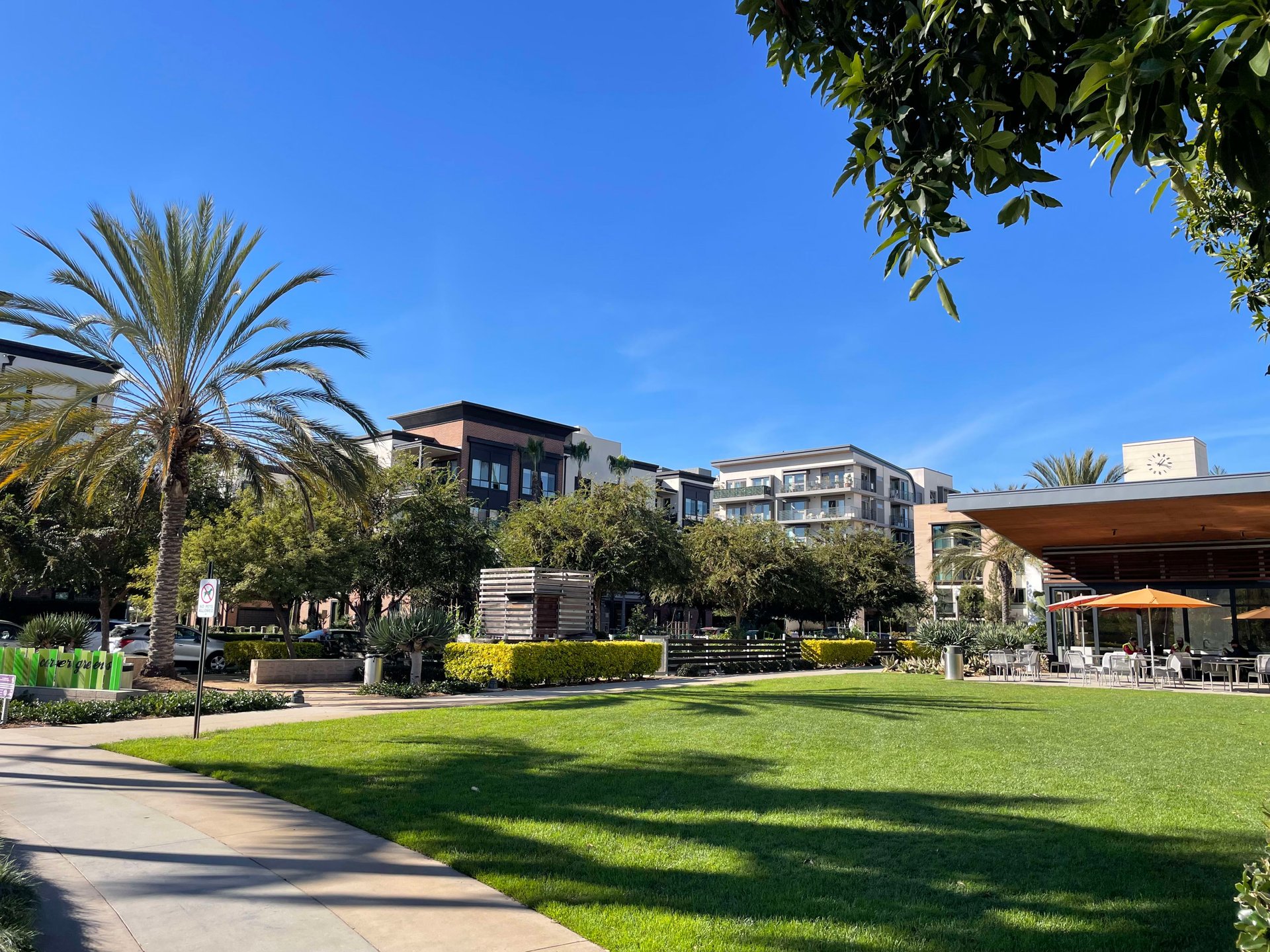
Playa Vista is broadly divided into two phases. Phase 1, built in the early-to-mid 2000s, is the more established section. The homes tend to be slightly older, with a different architectural feel. Phase 2 is newer, with more contemporary designs and finishes. Phase 2 also includes the Runway shopping and dining center, which gives that part of the neighborhood a more urban village feel.
The distinction matters because pricing, HOA structures, and tax obligations differ between the two. Phase 1 properties are subject to Mello-Roos (until the bond matures in 2031) but can sometimes offer better value per square foot. Phase 2 has no Mello-Roos and tends to feel more modern and walkable. You need to consider which phase suits your lifestyle and budget.
Parking
Most Playa Vista condos and townhomes come with assigned parking - typically one or two spaces in a garage. But street parking in the neighborhood can be tight, especially in the evenings and on weekends near Runway. If you’re someone who regularly has guests over or has multiple cars, it’s worth paying attention to the parking situation for any specific property you’re considering.
Who’s Happiest Here?
Playa Vista sits at the heart of what's now known as Silicon Beach. Google, YouTube, and dozens of smaller tech companies are all based here, which has shaped the neighborhood into what it is today - walkable, modern, and community-oriented. Runway gives you restaurants, shops, and a movie theater within walking distance, the parks and green spaces are well maintained, and there's a structured, planned-community feel that makes it easy to settle into - especially if you're relocating from out of state or overseas.
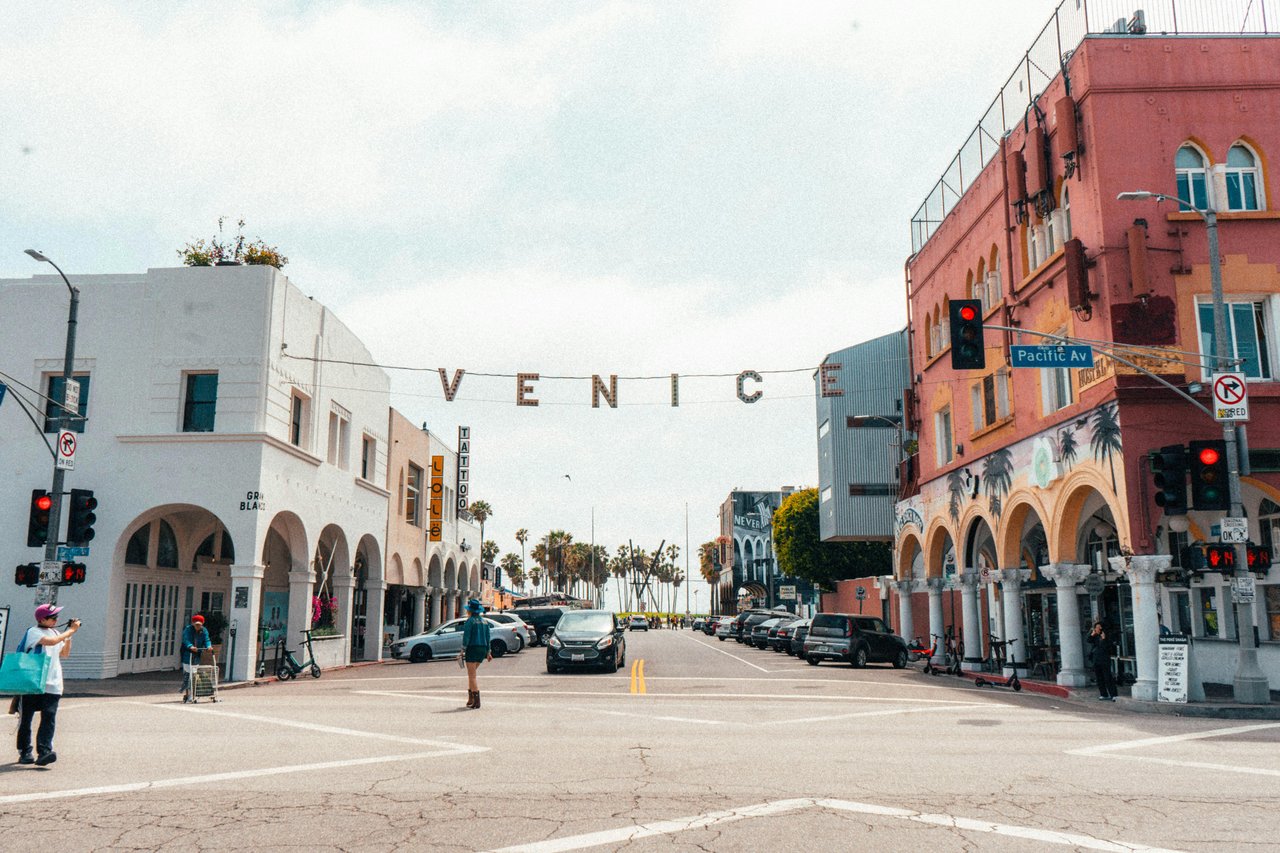
If you’re looking for old LA character, eclectic architecture, or a bohemian vibe, Venice or Santa Monica might be a better fit. Playa Vista is modern, clean, and convenient - and that’s exactly what a lot of buyers want.
The Bottom Line
Playa Vista is a fantastic neighborhood, but it comes with financial nuances that are easy to overlook if you’re not prepared. Between the dual HOA structure, Mello-Roos, and the community enhancement fee, your total monthly and upfront costs will be higher than they might appear at first glance. That’s not a reason not to buy here - it’s just a reason to go in with your eyes open.
Want to know more about moving to Playa Vista or nearby neighborhoods? Let's Connect!
Bianca Boey is Associate Director of The Grady Group at The Agency, a top-producing Westside LA team with $900M+ in career sales. Contact the team at 213-551-7844 or visit grady-group.com/