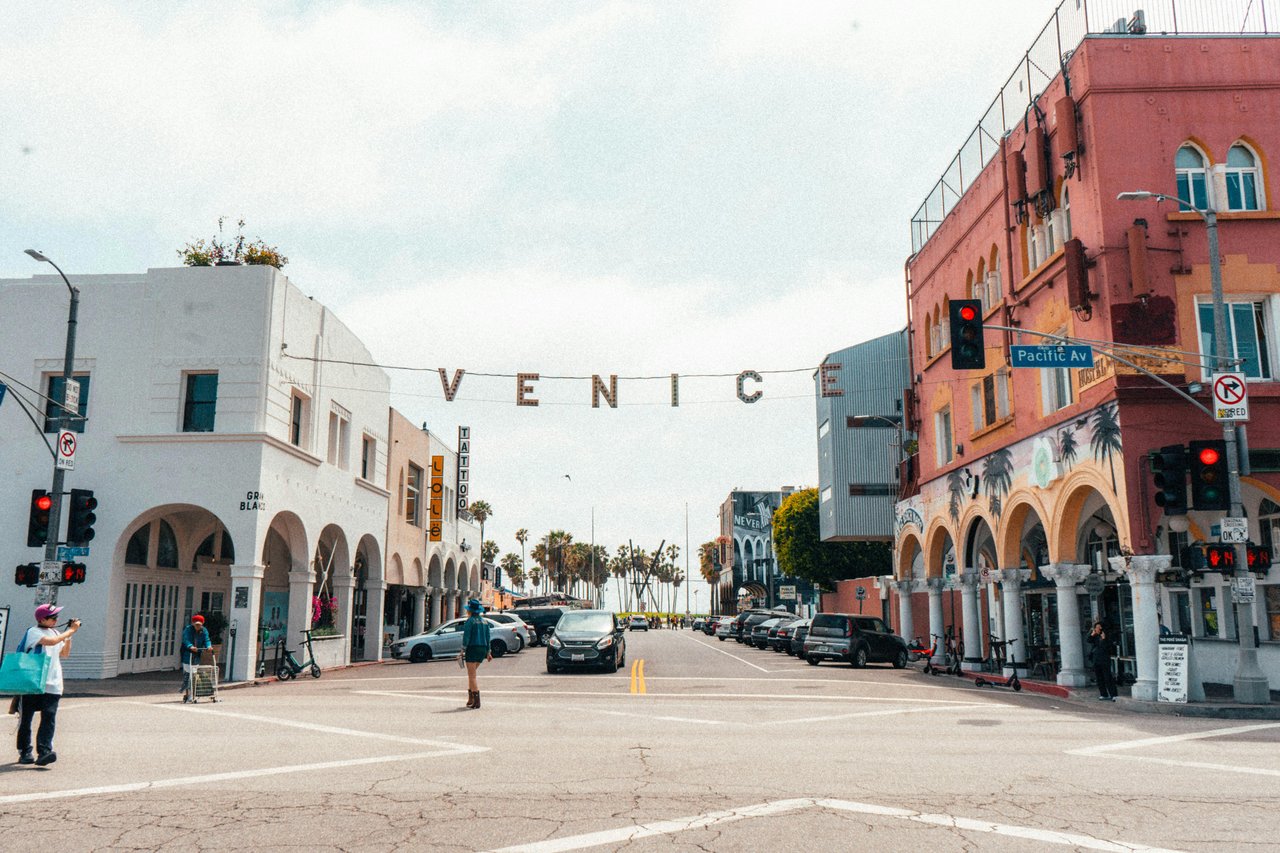
Moving to Los Angeles is one thing. Buying property here is another. If you’re relocating from overseas - whether it’s for work, family, or simply because you fell in love with the place on holiday - the US real estate process is likely very different from what you’re used to. As a Brit who moved to LA and now works in real estate on the Westside, I’ve seen firsthand where international buyers often get tripped up - and where they have more options than they realize.
This guide is designed to walk you through what you need to know as a starting point.
You Don’t Need to Be a US Citizen to Buy Property
This surprises a lot of people, but there are no citizenship or residency requirements for buying real estate in the United States. Whether you’re on a work visa, a green card, or living abroad entirely, you can purchase property in California. The process is essentially the same as it is for any American buyer - you make an offer, go through escrow, and close.
That said, your residency status does affect things like financing, taxes, and estate planning - so it’s worth understanding how those pieces fit together before you start house hunting.
Financing as a Foreign National
If you’re a US resident with a social security number and credit history, you can apply for a mortgage like anyone else. The challenge comes when you’re newer to the country or don’t have an established US credit profile.
The good news is that several lenders specialize in loans for foreign nationals and expats. These programs typically require a larger down payment and the interest rates tend to be slightly higher than conventional loans. But they do exist, and they’re more accessible than most people think.
Some things that can help: a strong credit history in your home country, proof of income or assets, and a US bank account (which you can open before you buy). If you’re on a visa like an E-2, L-1, or H-1B, some lenders will use your employment contract as qualifying income. Every situation is different, so it’s worth speaking to a lender who has experience with international buyers early in the process.
All-cash purchases are also common among international buyers and simplify the process significantly - no lender approval, faster close, and a stronger negotiating position.
The US Buying Process: A Quick Overview
If you’re coming from the UK, Australia, or most of Europe, the US process will feel quite different. Here’s the broad outline:
Pre-approval. Before you start viewing homes seriously, get pre-approved by a lender (or have proof of funds if you’re paying cash). This shows sellers you’re a serious buyer and lets you know your budget.
Making an offer. When you find a property, your Buyer’s Agent writes up an offer. In California, the standard contract is the California Residential Purchase Agreement. Unlike in some countries, offers here are legally binding once accepted - though there are contingency periods that allow you to back out under certain conditions.
Escrow. Once your offer is accepted, you enter escrow - a neutral third-party process that handles the transfer of funds and documents. In the UK, this role is roughly split between the solicitor and the conveyancer. In California, the escrow company manages it all. Escrow typically takes 30 days, though it can be shorter for cash deals.
Inspections and due diligence. During escrow, you’ll have inspections done on the property - general inspection, termite, mold and potentially others depending on the home. This is your chance to uncover any issues. In many countries, the seller provides a survey upfront. In Los Angeles, the buyer arranges and pays for their own inspections.
Closing. Once everything checks out, you sign the final documents, the funds are transferred, and the property is yours. In California, you don’t typically attend a closing meeting - documents are signed at a notary or via mobile notary, and the title company records the deed.
Tax Implications You Should Know About
This is where it gets important to have the right advisors. As a foreign buyer in the US, you’ll want to be aware of a few things:
Property taxes. In Los Angeles County, property taxes are roughly 1.1–1.4% of the purchase price annually, depending on the area. Some neighborhoods also have additional assessments like Mello-Roos. These are ongoing costs that are often higher than what buyers from Europe or Asia are used to.
FIRPTA. If you're a non-resident alien and you sell a US property over $1 million, the buyer is required to withhold 15% of the gross sale price under the Foreign Investment in Real Property Tax Act (FIRPTA). This isn't an additional tax - it's a withholding that's applied against your actual tax liability. But it does tie up a significant amount of cash at closing, so you need to plan for it.
Tax treaties. The US has tax treaties with many countries (including the UK) that can affect how your property income and capital gains are taxed. If you're earning rental income or planning to sell, the treaty provisions may reduce your tax burden - but only if you claim them correctly. This isn't something to figure out on your own. A CPA or tax attorney who specializes in cross-border transactions is essential here.
Estate planning. This is the one that often catches most expats off guard. US estate tax rules apply to property owned in the US, regardless of your citizenship - and the exemption threshold for non-resident aliens is just $60,000, compared to around $15 million for US citizens. That means even a modest condo on the Westside could trigger a significant estate tax liability. Depending on your situation, holding property through certain structures (like an LLC or trust) may help - but this requires specialist advice and should be set up before you purchase, not after.
Building Your Team
One of the biggest advantages of buying in the US is the level of professional support available. As a buyer, you’ll typically work with:
A Buyer’s Agent - who represents your interests, finds properties, negotiates on your behalf, and guides you through the process.
A Lender - ideally one with experience working with international buyers or expats on visas.
An Escrow Officer - who manages the transaction neutrally.
A CPA or Tax Advisor - who understands cross-border tax implications.
Getting the right people around you early makes the entire process smoother - especially when you’re navigating a system that’s new to you.
Why the Westside?
International buyers are drawn to the Westside for a lot of the same reasons everyone else is - the proximity to the beach, the quality of life, the neighborhoods with real character. But there are a few things that make it particularly appealing for expats:
The Westside has a genuinely international feel. Santa Monica, Venice, Playa Vista, Marina del Rey - you’ll hear different languages, find diverse restaurants, and meet people from all over the world. If you’re worried about feeling like an outsider, the Westside is one of the easier places in LA to settle in.
The tech and entertainment industries bring in a constant stream of international professionals, which means the infrastructure - from schools to healthcare to social networks - is set up to support people who are new to the area.
And practically speaking, LAX is right there. If you’re flying back to Europe, Asia, or Australia regularly, being 15 minutes from an international airport is a real advantage.
The Bottom Line
Buying property in LA as an expat is absolutely doable - it just takes a bit more planning than buying in your home country. The process itself is straightforward once you understand it, but the tax, financing, and legal details are where things get nuanced. Surround yourself with professionals who’ve worked with international buyers before, and you’ll be in good shape.
If you’re an expat thinking about buying on the Westside, I’d love to help. Feel free to reach out - even if you’re just starting to explore the idea.
Bianca Boey is Associate Director of The Grady Group at The Agency, a top-producing Westside LA team with $900M+ in career sales. Contact the team at 213-551-7844 or visit grady-group.com/