If you’re looking at condos on the Westside, there’s a word you’ll hear sooner or later: warrantable. It sounds like legal jargon - and it kind of is - but it directly affects whether you can get a conventional mortgage, how much you’ll pay, and in some cases whether the purchase is financially viable at all.
On top of that, Fannie Mae and Freddie Mac are rolling out significant rule changes across 2026 and 2027 that will affect which condo buildings qualify for conventional financing going forward. Here’s what you need to know.
What Does “Warrantable” Mean?
A warrantable condo is one that meets the criteria set by Fannie Mae and Freddie Mac - the two government-sponsored entities that back most conventional mortgages in the US. If a building is warrantable, lenders can sell the loan to Fannie or Freddie, which means they’re willing to offer you standard mortgage rates and terms.
If a building is non-warrantable, conventional financing isn’t available. You’d need a portfolio loan or non-QM product, which typically means a higher interest rate, a larger down payment, and fewer lender options.
Importantly, warrantability is about the building - not the individual unit. If the building fails in one of the criteria, every unit in that building becomes non-warrantable.
What Makes a Condo Warrantable?
Lenders evaluate several factors when determining whether a condo project qualifies. Here are the main criteria:
Reserve funding: The HOA must allocate at least 10% of its annual budget to reserves for capital expenditures and deferred maintenance. Starting January 2027, this minimum increases to 15% (more on this below).
HOA delinquency: No more than 15% of units can be 60+ days delinquent on their HOA dues. High delinquency suggests financial instability in the building.
Single-entity ownership: No single entity can own more than 20% of the units in a project with 21 or more units. This prevents one investor from having too much control over the building.
Owner-occupancy: At least 50% of units must be owner-occupied or second homes (not investor-owned rentals). Buildings with high rental concentrations are considered higher risk.
Insurance: The building must carry master insurance at replacement cost, with a per-unit deductible capped at $50,000 (effective July 2026).
Commercial space: No more than 35% of the building’s total space can be commercial.
Litigation: If the HOA is involved in active litigation - particularly related to safety, structural integrity, or habitability - the building may be deemed non-warrantable until the issue is resolved.
Short-term rentals: Buildings that permit transient or hotel-style short-term rentals (like Airbnb without restrictions) can lose warrantable status.
What’s Changing in 2026–2027
Fannie Mae and Freddie Mac released coordinated policy updates in March 2026 that are being phased in over the next year. These are the biggest changes to condo lending guidelines in recent memory:
Limited Review is being eliminated: Previously, condos in certain situations (like a purchase with 25%+ down) could qualify under a “Limited Review,” which skipped many of the detailed checks. Starting August 3, 2026, this option goes away entirely. Every condo purchase will require a Full Review, meaning lenders will scrutinize the building’s finances, reserves, insurance, and owner-occupancy rates regardless of how much you’re putting down.
Reserve requirements are increasing: The minimum reserve allocation jumps from 10% to 15% of annual budgeted assessment income, effective for loans dated on or after January 4, 2027. Buildings that haven’t adjusted their budgets accordingly could lose warrantable status.
Insurance deductible cap: Effective July 1, 2026, the per-unit deductible on master insurance policies cannot exceed $50,000. Buildings with higher deductibles will need to adjust their coverage or risk losing warrantable status.
Investor concentration limit removed: On the positive side, the old rule capping investor-owned units at 50% has been eliminated. This means some buildings that were previously non-warrantable due to high rental concentrations may now qualify - assuming they meet all other criteria.
Why This Matters on the Westside
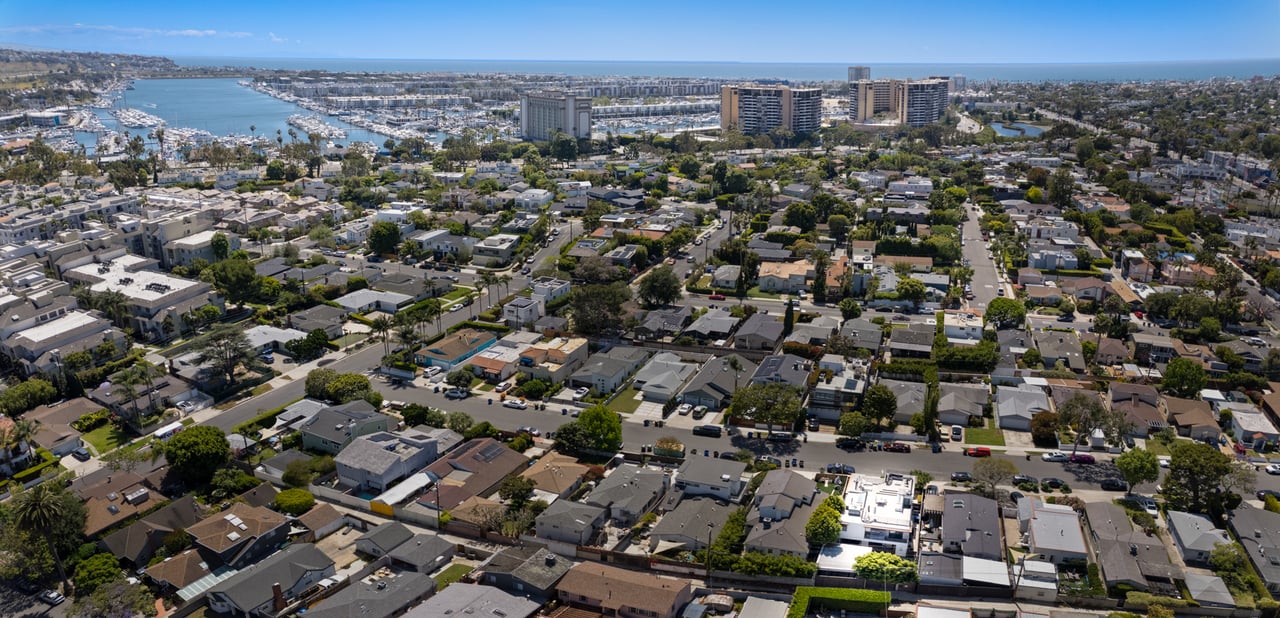
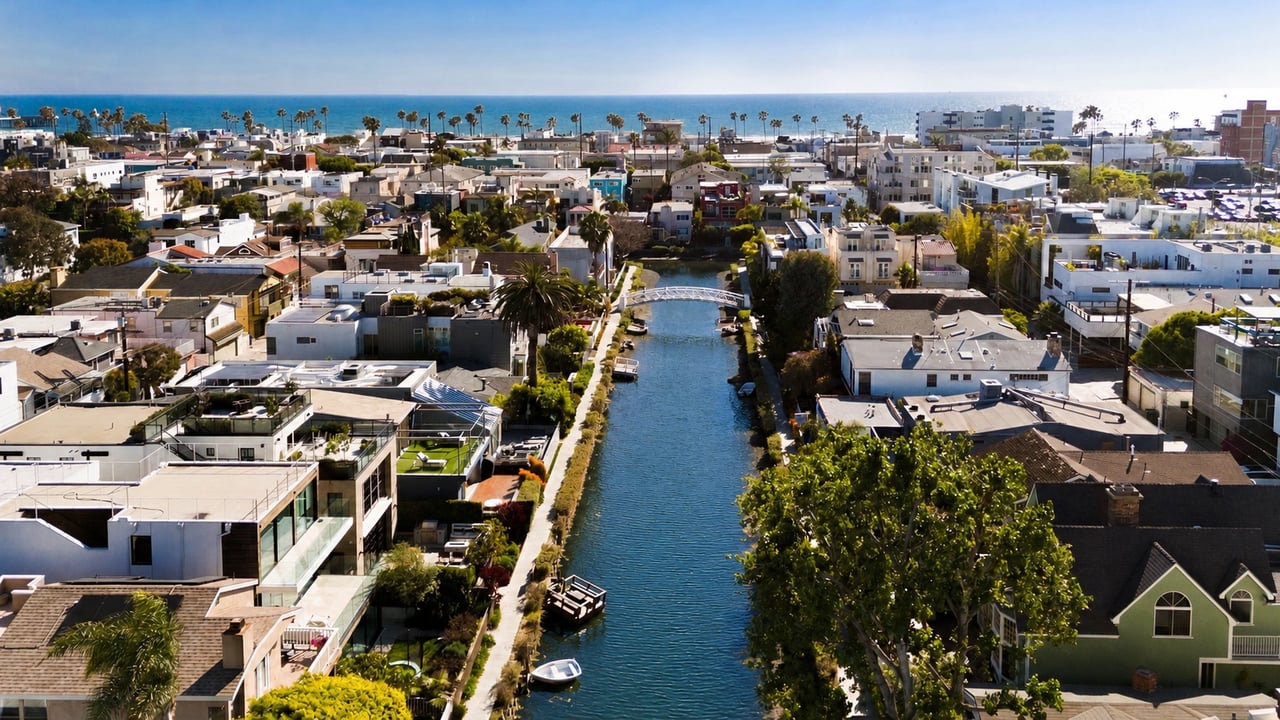
The Westside has a significant number of condo buildings - particularly in Marina del Rey, Playa del Rey, Santa Monica, and Playa Vista. Many of these were built as mixed-use or investment-friendly projects with high rental populations. Some older buildings in Marina del Rey, for example, have historically hovered near the edge of warrantability due to investor concentration or reserve funding issues.
The elimination of the investor concentration limit is actually good news for some of these buildings. But the increased reserve requirement and elimination of Limited Review could create new challenges - particularly for older buildings with HOAs that haven’t been budgeting aggressively for reserves.
For buyers, this means doing your homework before making an offer on a condo. You need to know about the building’s warrantability status early in the process - ask your agent and lender to guide you through.
What Should Buyers Do?
Ask about warrantability upfront: Before you fall in love with a unit, find out whether the building is warrantable. Your agent or lender should be able to check this. If it’s not, understand what your financing options look like and whether the numbers still work.
Request the HOA’s financials: Look at the reserve study, the budget, and the delinquency rate. These documents tell you whether the building is healthy and whether it’s likely to remain warrantable under the new rules.
Factor in the timeline: If you’re buying before August 2026, a Limited Review may still be available. After that date, Full Review is the only option - which means more documentation and potentially more scrutiny of the building.
Work with a lender who knows condos: Not every lender handles condo approvals well. Some will flag issues early; others won’t discover a problem until you’re deep into escrow. Ask upfront whether they have experience with condo warrantability reviews on the Westside.
What Should Condo Owners Know?
If you already own a condo, these changes matter too - because they affect your ability to sell. If your building’s warrantability status changes, your buyer pool shrinks significantly. Buyers who need conventional financing (which is most of them) won’t be able to purchase in your building.
Pay attention to your HOA board decisions. If the budget doesn’t meet the new 15% reserve threshold by January 2027, the building could lose warrantable status. Attend board meetings. Ask questions. If you’re on the board, start planning the budget adjustment now.
The Bottom Line
Warrantability might not be the most exciting topic in real estate, but it has a real and direct impact on your ability to buy, sell, and finance a condo. The 2026–2027 changes are designed to make condo buildings more financially stable in the long run - but in the short term, they’ll create disruption for buildings that haven’t been keeping up.
If you’re looking at condos on the Westside, make warrantability one of your first questions. And if you’re not sure where to start, feel free to reach out. I work with lenders who specialize in condo financing and can help you understand what’s achievable in today’s market.
Bianca Boey is Associate Director of The Grady Group at The Agency, a top-producing Westside LA team with $900M+ in career sales. Contact the team at 213-551-7844 or visit grady-group.com/